India's LPG Challenge and the Rising Importance of Bio-CNG Infrastructure
Recent discussions around LPG shortages have once again highlighted a fundamental challenge in India's energy landscape — dependence on imported fuels. With rising global energy demand, geopolitical tensions, and volatile commodity prices, ensuring reliable and affordable cooking and industrial fuel has become an increasingly complex task. India today is the third-largest energy consumer in the world, and its demand is expected to grow significantly over the next two decades. A large portion of natural gas and LPG demand continues to be met through imports, exposing the country to external supply disruptions and price volatility. This is why the conversation around domestic renewable fuels is becoming more important than ever. While ethanol has been highlighted as one possible solution for cooking fuel alternatives, another powerful and scalable option already exists within India's agricultural economy — Compressed Biogas (CBG), also known as Bio-CNG.
What Is CBG and How Does It Address India's Fuel Crisis

CBG is produced through anaerobic digestion of organic materials such as agricultural residue, cattle dung, food waste, and other biomass sources. Once purified, it becomes a renewable gas that can substitute traditional compressed natural gas for transportation, industrial use, and potentially cooking applications.
India possesses enormous raw material potential for CBG production. Every year the country generates vast quantities of agricultural waste and organic residues that often create environmental challenges when burned or disposed of improperly. Converting this biomass into Bio-CNG offers a practical, scalable, and indigenous solution to the country's fuel security challenge.
A Circular Economy Built on Biomass

Converting agricultural waste into Bio-CNG delivers multiple benefits simultaneously. It creates a domestic renewable fuel supply, reducing dependence on imported fossil fuels. It provides farmers with an additional income stream by creating value for agricultural residue that would otherwise be burned. And it produces Fermented Organic Manure (FOM) — a valuable organic fertilizer that improves soil health and supports sustainable agriculture.
In essence, CBG plants represent a circular economy model where waste is transformed into energy and agricultural inputs — strengthening both India's energy security and its farming economy in a single ecosystem.
India's Ambition: Thousands of CBG Plants Nationwide
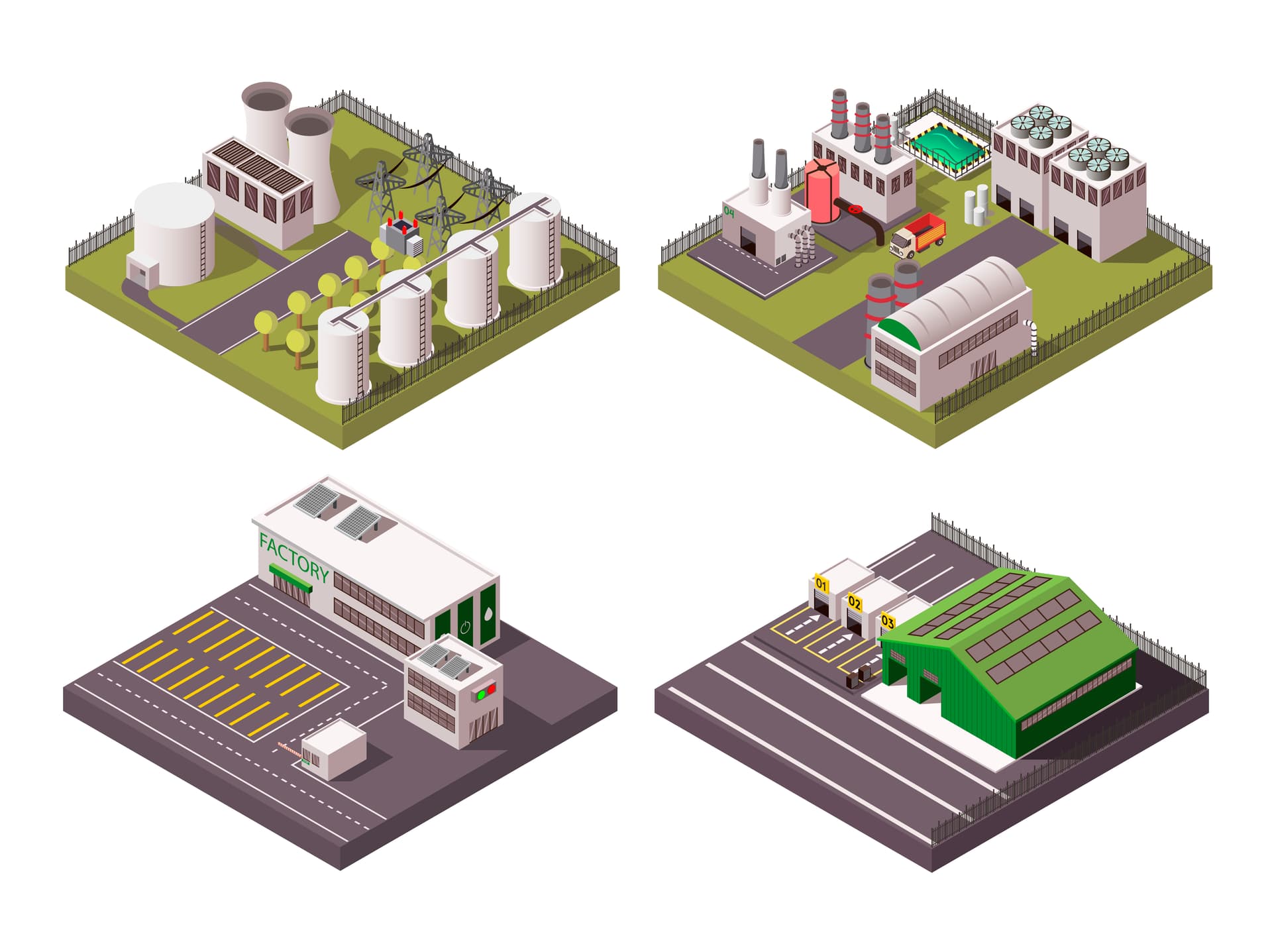
Recognizing this potential, India has already set ambitious targets to establish thousands of CBG plants across the country in the coming years. The policy environment is aligned — with frameworks like SATAT and the National Bio-Energy Mission providing capital subsidies, assured offtake through OMCs, and long-term regulatory support.
However, building this infrastructure requires not only policy support but also strong engineering execution and reliable project development capabilities. The scale of ambition demands a matching scale of technical and operational expertise on the ground.
KEC Agritech: Building the Infrastructure for India's Bio-Energy Future
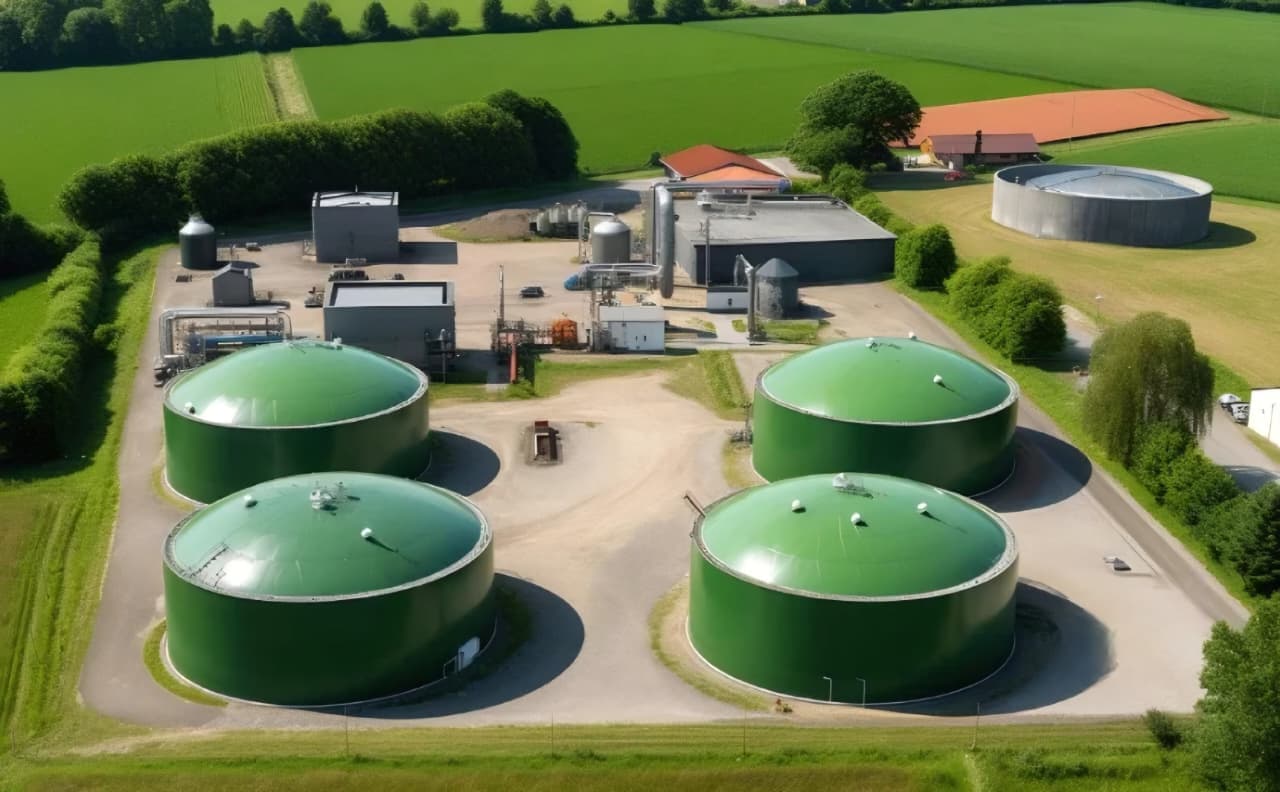
This is where companies like KEC Agritech are playing a crucial role. KEC Agritech is focused on developing structured and scalable Bio-CNG infrastructure through an integrated project development approach. The company supports investors and project developers across the entire lifecycle of CBG projects — from Detailed Project Reports (DPR) and feasibility planning to EPC execution and commissioning support.
By combining technical expertise with practical project execution capabilities, KEC Agritech helps transform bio-energy concepts into operational energy assets. The company's growing presence in the bio-energy ecosystem reflects a broader shift taking place in India's energy strategy.
The Shift Toward Decentralized Renewable Energy
The future of energy will not rely solely on centralized fossil fuel supply chains. Instead, it will increasingly depend on decentralized renewable systems built around local resources. Bio-CNG plants represent exactly such a model — one that connects energy production, waste management, and agricultural sustainability at a community and regional level.
This decentralized approach reduces systemic risk, empowers rural economies, and builds energy resilience from the ground up — qualities that centralized import-dependent systems fundamentally cannot offer.
Domestic Renewable Fuels Are No Longer Optional

As India continues to strengthen its energy security and pursue its climate commitments, the development of a strong bio-energy infrastructure will become increasingly important. The current discussions around LPG shortages serve as a reminder that domestic renewable fuels are no longer optional — they are strategic necessities.
CBG plants offer a clear pathway to convert India's agricultural strength into energy security. And companies like KEC Agritech are helping build the infrastructure that can make this transition possible — one plant, one community, and one step closer to energy independence at a time.
Share Article
About Author
KEC Bio-Fuel Team
Expert in renewable energy and sustainable agriculture
Article Stats
Related Articles
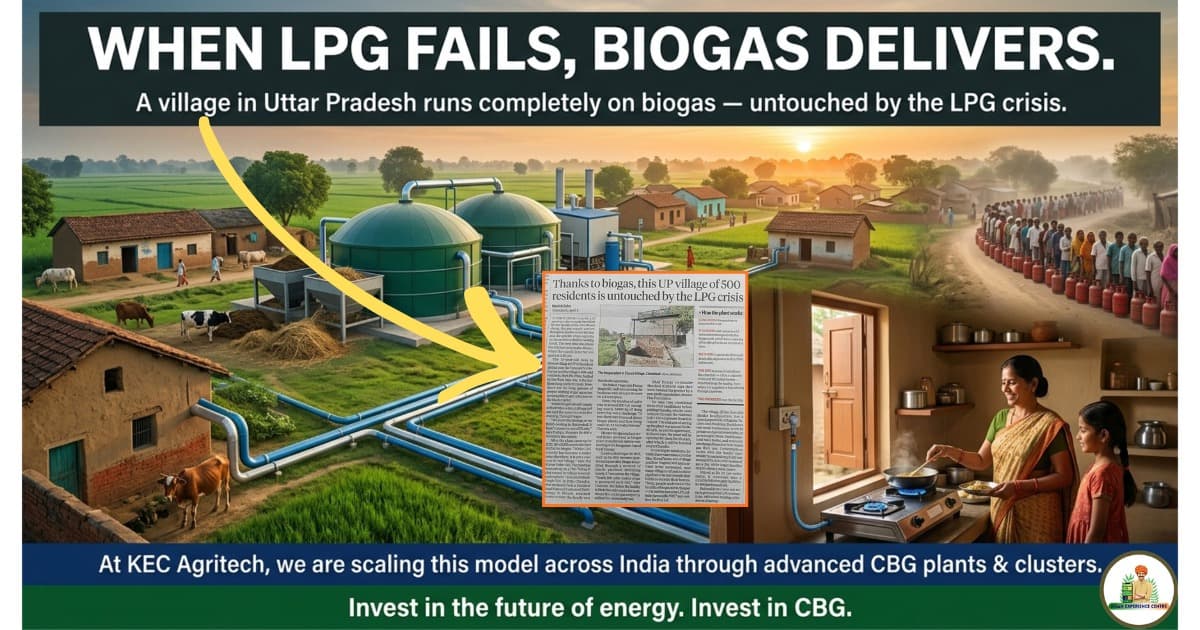
From LPG Crisis to Energy Independence — Why CBG is India’s Most Practical Solution
Recurring LPG shortages, rising prices, and import dependency are pushing India toward decentralized energy solutions. Compressed Biogas (CBG) is emerging as the most practical and scalable path to energy independence.
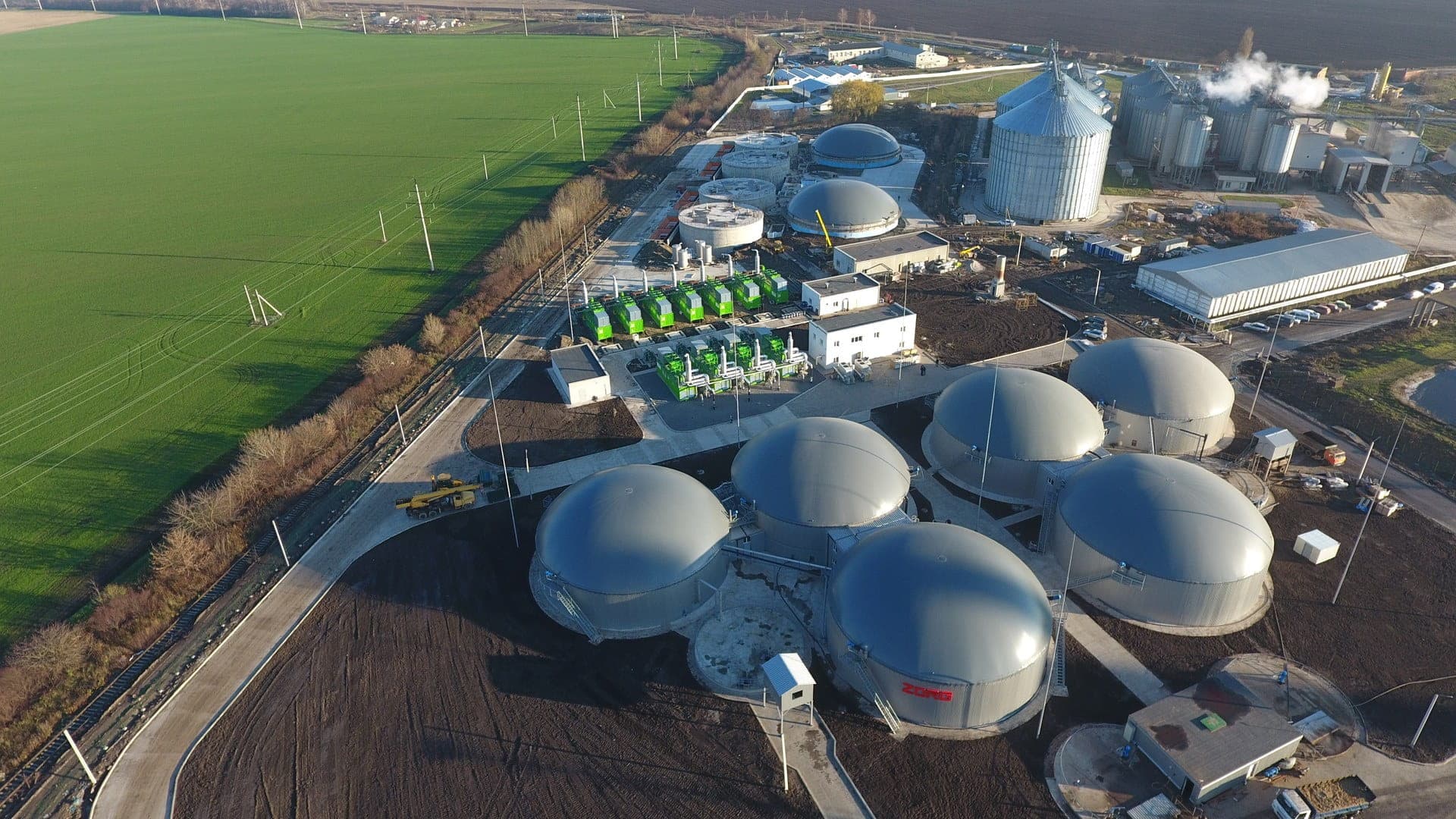
In CBG, 'Sasta' Is Not Smart — 'Sabse Achha' Is Sustainable
Why quality matters more than initial cost in CBG plant investments. Discover why smart investors focus on 15-year performance over short-term savings, and why locking your project before December 31st, 2025 is a strategic advantage.

This Dhanteras: Invest in the Future – Not Just in Gold!
How CBG and KEC Agritech are powering India's energy revolution while turning agricultural waste into wealth. Discover how this Dhanteras, investing in Compressed Biogas (CBG) — India's new 'Green Gold' — can create sustainable income, empower farmers, and fuel the nation's clean energy future.