From LPG Crisis to Energy Independence — Why CBG is India’s Most Practical Solution
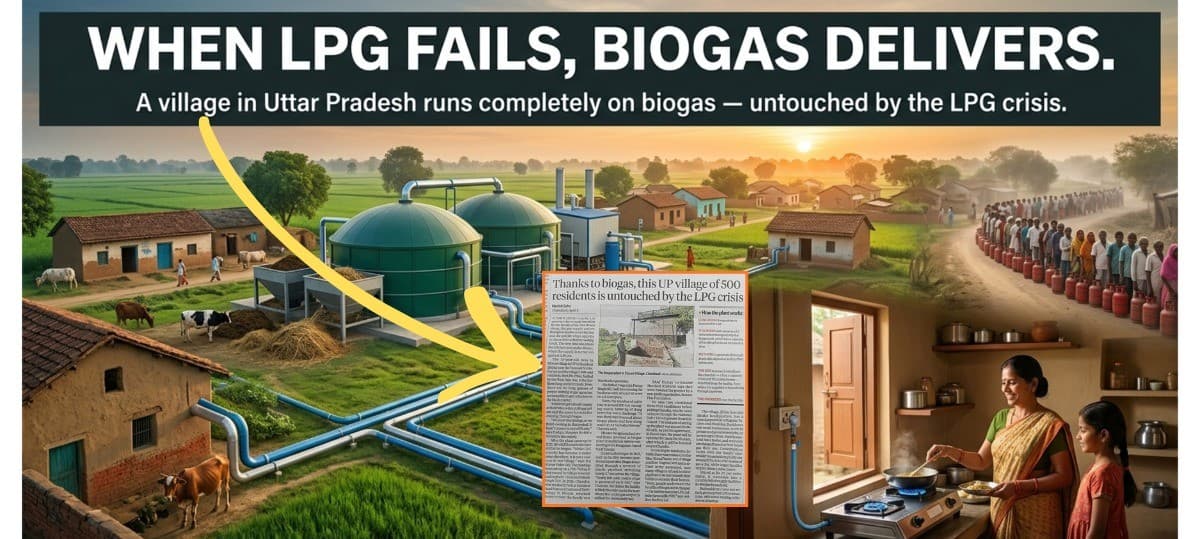
India’s energy landscape is at a critical turning point. With recurring LPG supply challenges, rising prices, and increasing dependency on imports, the question is no longer whether India needs an alternative — but how quickly it can scale one. A small village in Uttar Pradesh has already demonstrated a working solution through a decentralized biogas system supplying clean cooking fuel directly to households. This model eliminates dependency on external supply chains and ensures reliable energy access.
A Real-World Example of Energy Independence
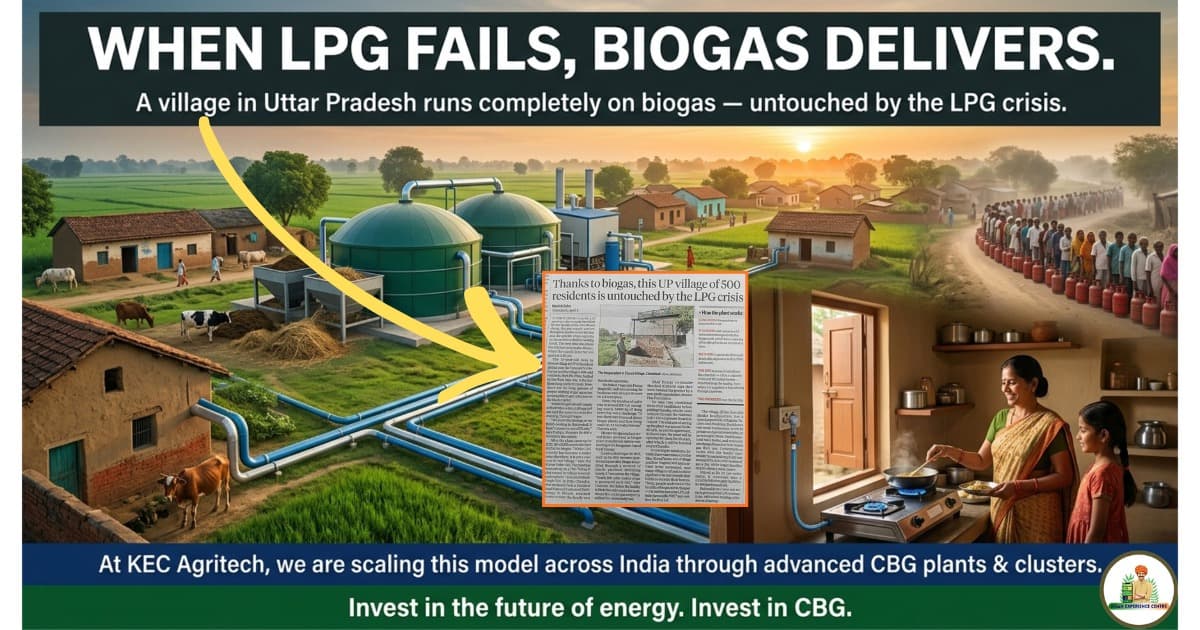
A village in Uttar Pradesh with around 500 residents operates a decentralized biogas system supplying cooking fuel twice daily via pipelines. This system removes the need for LPG cylinders, avoids price volatility, and ensures uninterrupted energy supply.
This is not a pilot experiment — it is a fully functional, scalable model for rural India.
Understanding the Waste-to-Energy Model
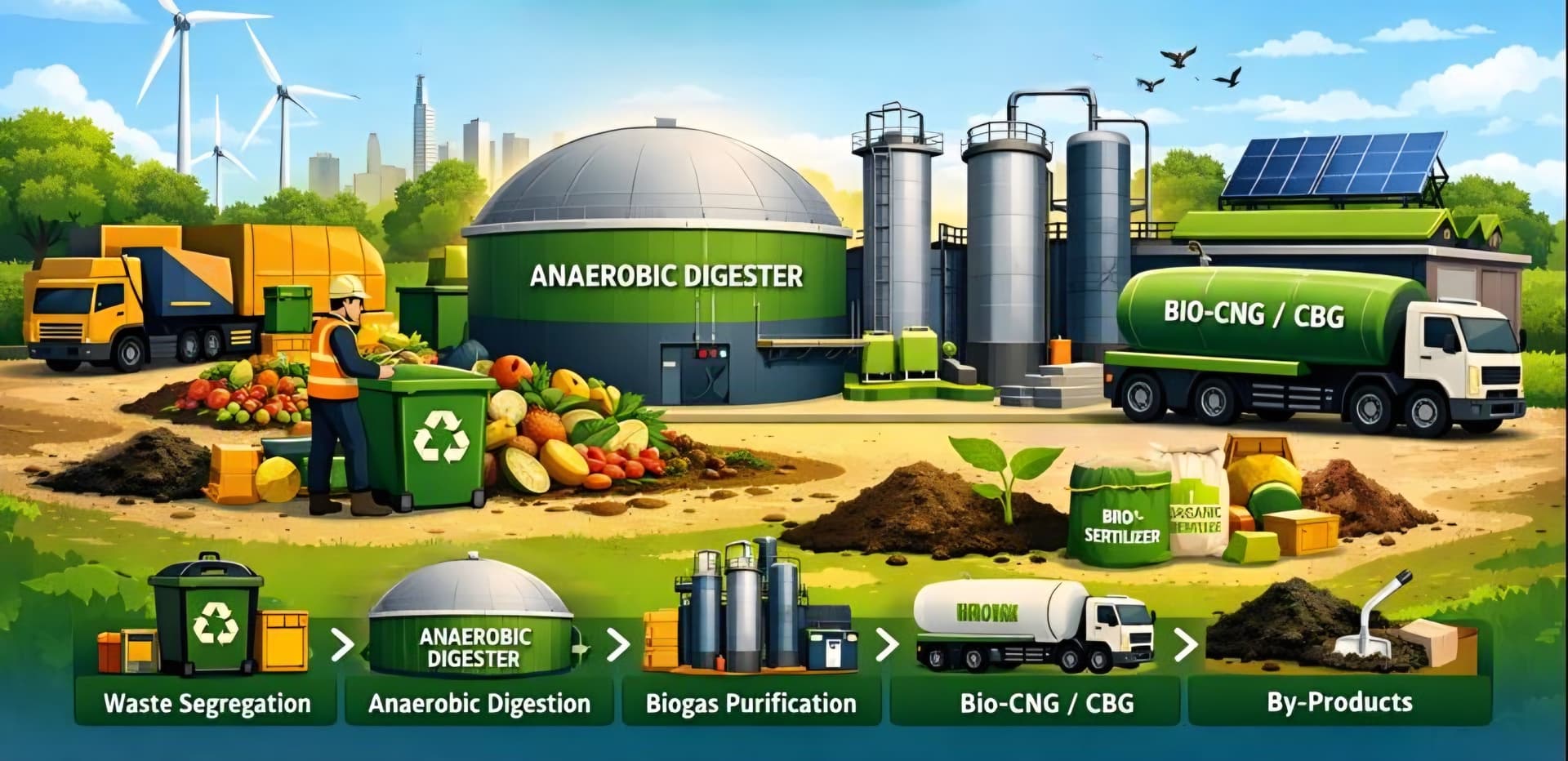
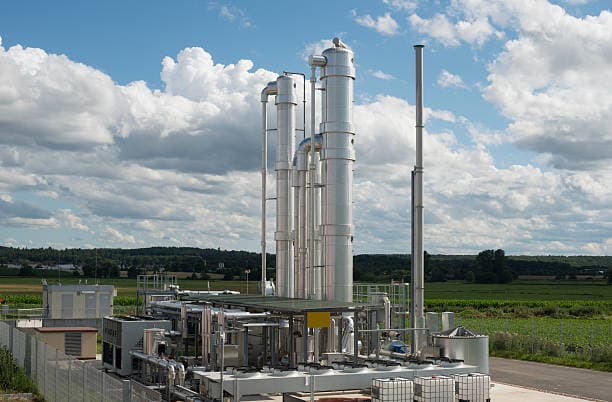
The success of this system is based on converting agricultural and livestock waste into methane-rich biogas through anaerobic digestion. The gas is purified and distributed, while the by-product serves as high-quality organic manure.
This model supports sustainable waste management, reduces carbon emissions, and creates additional income for farmers.
The Challenge of Scaling Across India
While such decentralized systems are promising, scaling them across thousands of villages requires structured infrastructure, robust plant design, efficient feedstock management, and reliable distribution networks.
Without proper execution frameworks, replication becomes difficult.
KEC Agritech: Turning Models into Nationwide Infrastructure
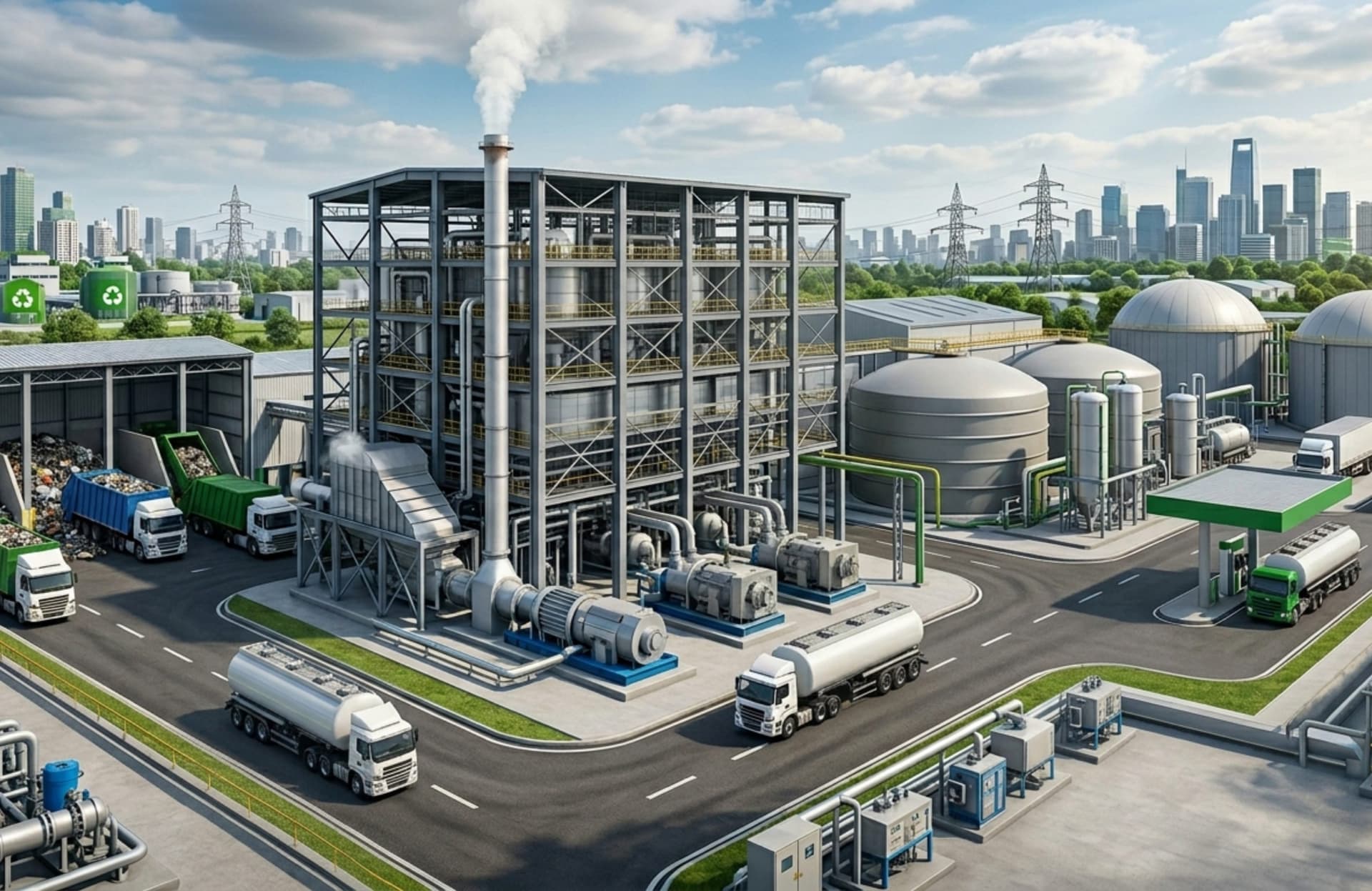
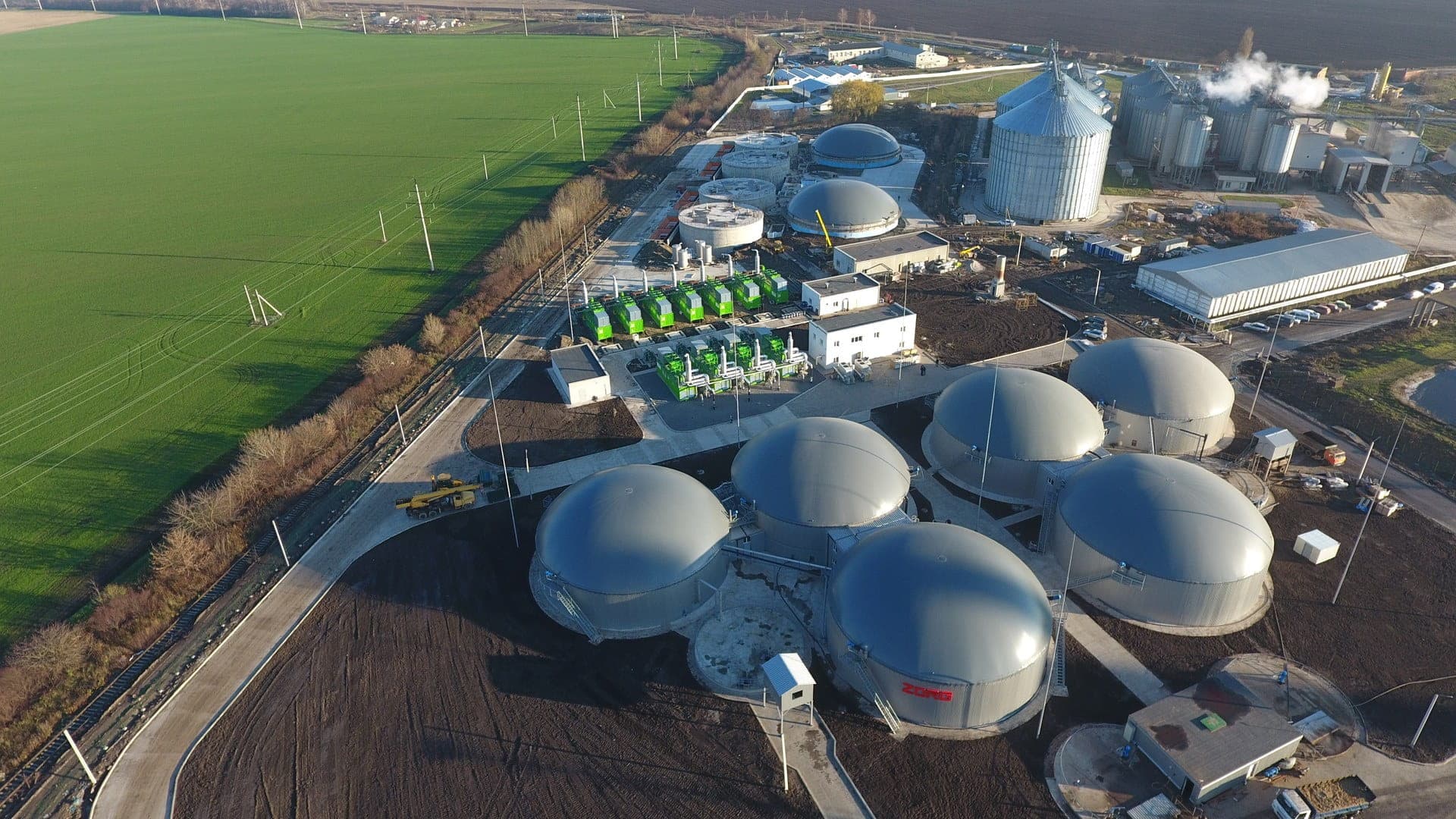
KEC Agritech is working to transform isolated biogas success stories into scalable infrastructure through cluster-based CBG development. This approach ensures economies of scale, consistent feedstock supply, and improved operational efficiency.
Their integrated model covers everything from waste collection to gas distribution and organic manure production.
The Advantage of Cluster-Based CBG Development
KEC’s approach combines advanced engineering with cluster-based execution. This enables higher methane yield, optimized processing capacity, and long-term operational reliability.
Such systems can power rural communities, reduce LPG dependency, generate employment, and provide stable returns for investors.
Why FY 2026–27 is a Turning Point
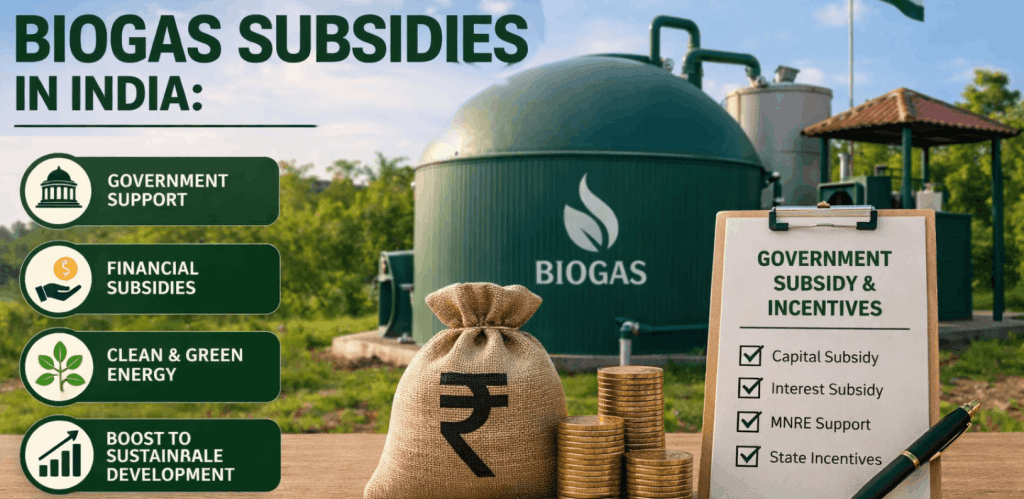
With strong government support through initiatives like SATAT, increasing clean energy awareness, and rising urgency due to fossil fuel challenges, the coming financial year is expected to accelerate CBG adoption significantly.
India already has the raw materials and demand — now it needs execution at scale.
Conclusion: From Crisis to Opportunity
The LPG crisis is not just a challenge but a signal for transformation. India must move toward decentralized, sustainable, and self-reliant energy systems.
CBG is no longer an alternative — it is a necessity. With structured players like KEC Agritech, India is actively building a future powered by renewable energy.
The real question is not whether this transition will happen, but how fast it can scale across the country.
Share Article
About Author
KEC Bio-Fuel Team
Expert in renewable energy and sustainable agriculture
Article Stats
Related Articles
In CBG, 'Sasta' Is Not Smart — 'Sabse Achha' Is Sustainable
Why quality matters more than initial cost in CBG plant investments. Discover why smart investors focus on 15-year performance over short-term savings, and why locking your project before December 31st, 2025 is a strategic advantage.

This Dhanteras: Invest in the Future – Not Just in Gold!
How CBG and KEC Agritech are powering India's energy revolution while turning agricultural waste into wealth. Discover how this Dhanteras, investing in Compressed Biogas (CBG) — India's new 'Green Gold' — can create sustainable income, empower farmers, and fuel the nation's clean energy future.
2026: The Defining Year for Compressed Bio Gas (CBG) in India
Why the future of fuel, farming, and clean energy begins now. 2026 marks the inflection point where Compressed Bio Gas (CBG) moves from early adoption to national-scale execution, backed by policy, infrastructure, and rising demand.