2026: The Defining Year for Compressed Bio Gas (CBG) in India
India is standing at a decisive point in its energy journey. Rising fuel imports, environmental pressure, stubble burning, waste mismanagement, and the urgent need for rural income diversification have led to one unavoidable conclusion: clean, decentralized, and indigenous energy is no longer optional. Among all renewable energy options, Compressed Bio Gas (CBG) has emerged as the most practical, scalable, and inclusive solution. The year 2026 will mark the transition of CBG from early adoption to mass execution — driven by strong policy alignment, infrastructure readiness, rising fuel demand, and a widening supply gap. This is not speculation. It is India's next phase of energy infrastructure.
What Is CBG and Why It Matters to India
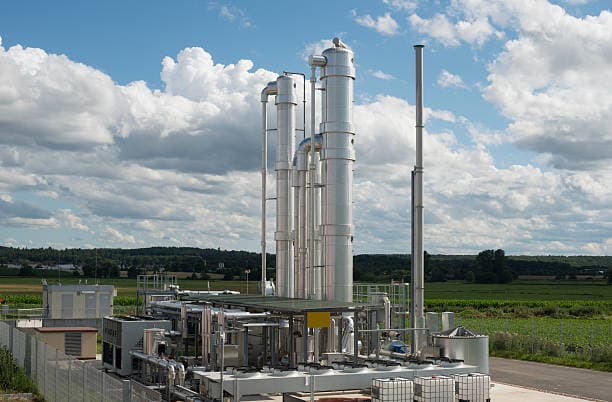
Compressed Bio Gas is produced from agricultural residue, cattle dung, pressmud, food waste, and other organic biomass. After purification, it becomes a direct substitute for CNG and LPG.
CBG uniquely delivers three outcomes in one ecosystem — clean fuel for transport and industry, organic fertilizer (FOM/LFOM) for agriculture, and stable income for farmers and rural entrepreneurs.
India's Energy Reality: The Problem CBG Solves

India imports over 85% of its crude oil, burns millions of tonnes of crop residue every year, and faces rising pollution and rural income stress.
CBG directly addresses energy security, waste management, climate commitments, rural employment, and circular economy goals.
Government Push: Why CBG Is Policy-Backed

CBG enjoys one of the strongest policy frameworks in India's energy sector through SATAT, National Bio-Energy Mission, and long-term OMC buyback agreements.
Capital subsidies, loan assistance, assured offtake, and carbon credits make CBG a low-policy-risk infrastructure opportunity.
CBG in 2026: Why Timing Is Everything
CBG today mirrors the early stages of solar and EV adoption. Early entrants are creating assets while late entrants will face higher costs.
By 2026, feedstock competition, EPC costs, and land scarcity will redefine entry economics.
CBG Plants: A 15-Year Infrastructure Business
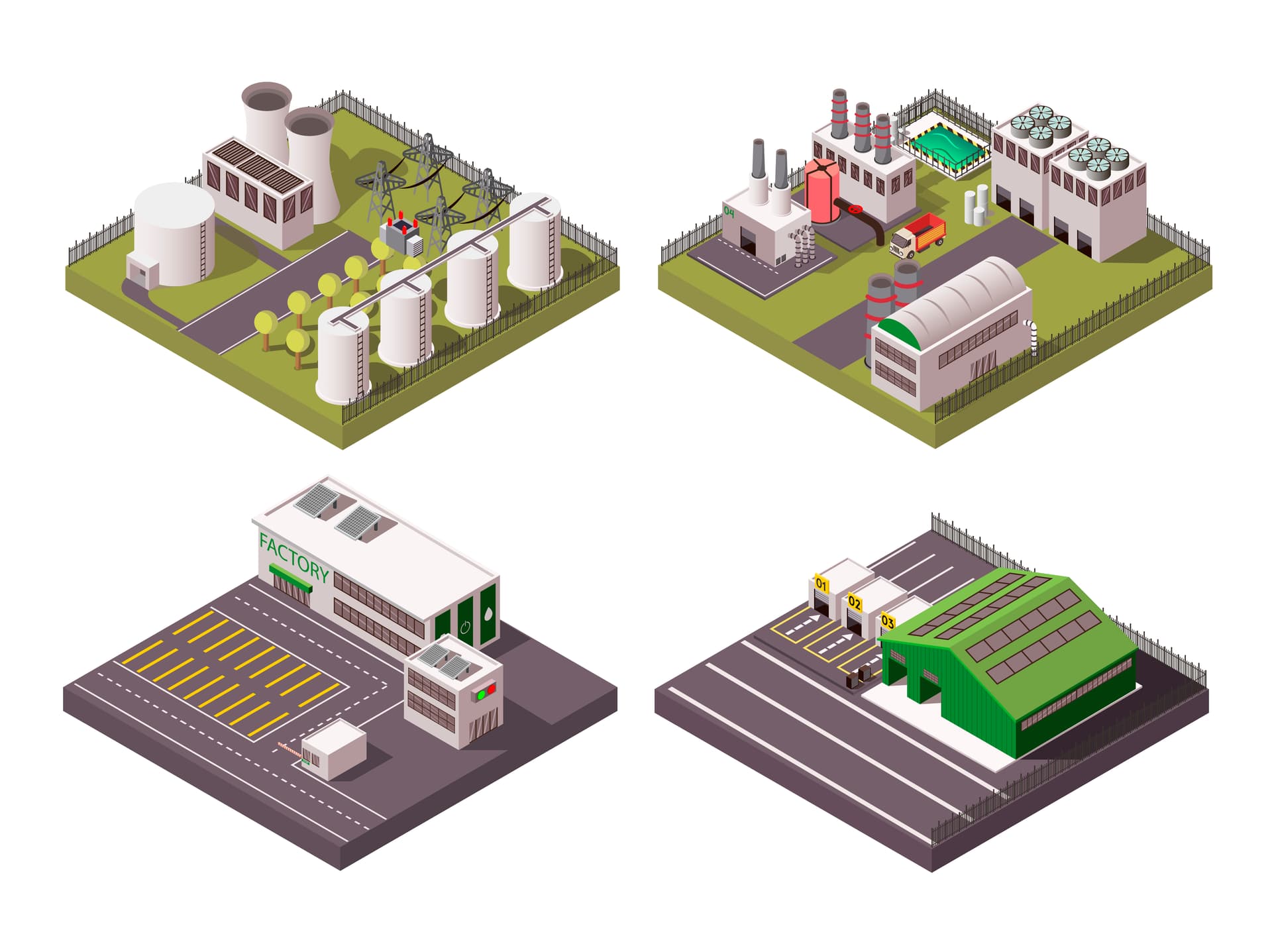
CBG plants are long-term infrastructure assets with 40–45% ROI, 3–4 year break-even, and diversified revenue streams from gas, fertilizer, carbon credits, and waste processing.
CBG Parks: The Next Evolution of Scale

CBG Parks enable shared infrastructure, faster execution, lower capex, and better compliance through centralized models.
This approach reduces entry barriers by 30–40% and improves long-term scalability.
Why Execution Matters More Than Price
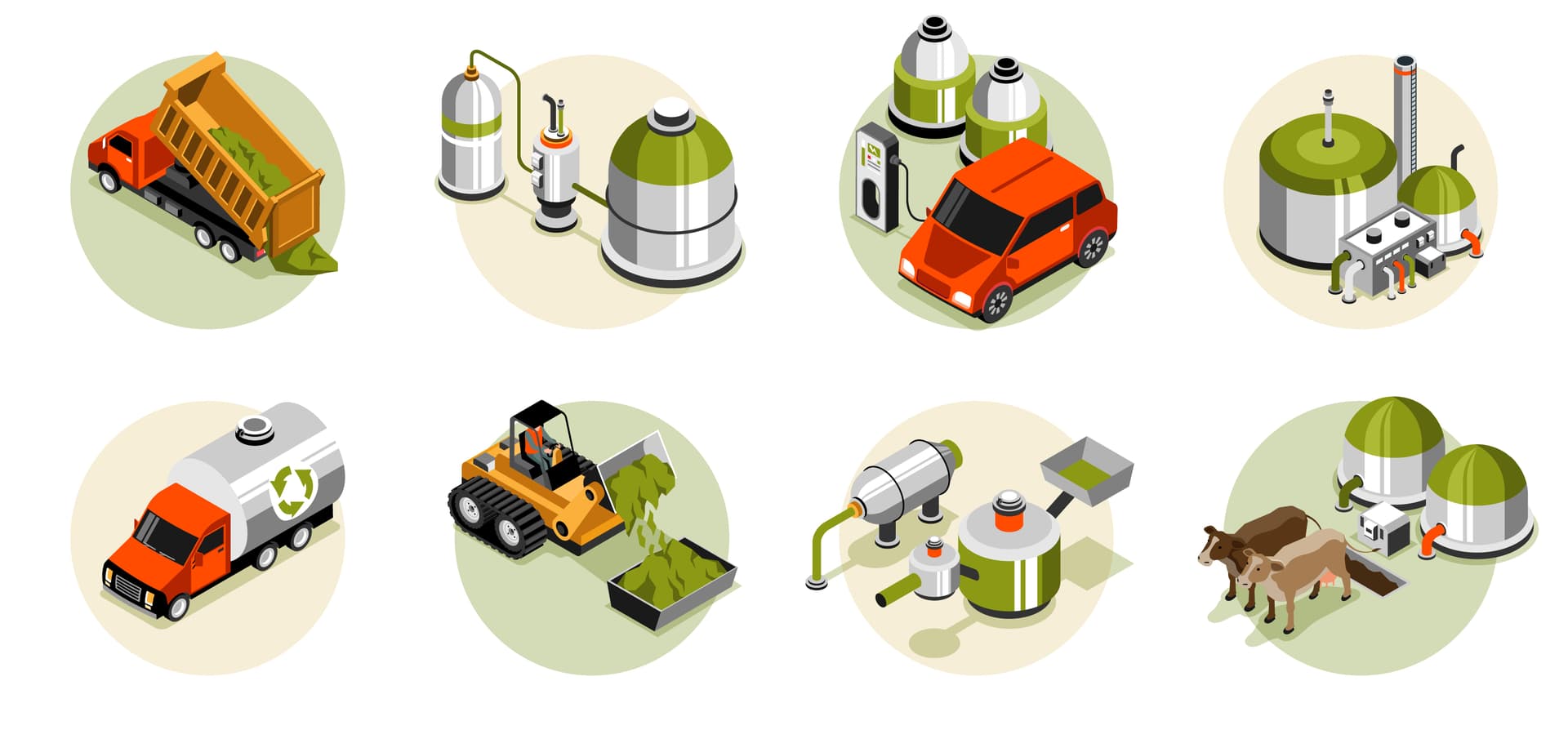
Low-cost plants often fail due to weak engineering and poor O&M planning.
CBG success depends on digester design, microbial stability, purification efficiency, and feedstock logistics — making EPC and PMC selection critical.
Why KEC Agritech Fits the 2026 CBG Vision
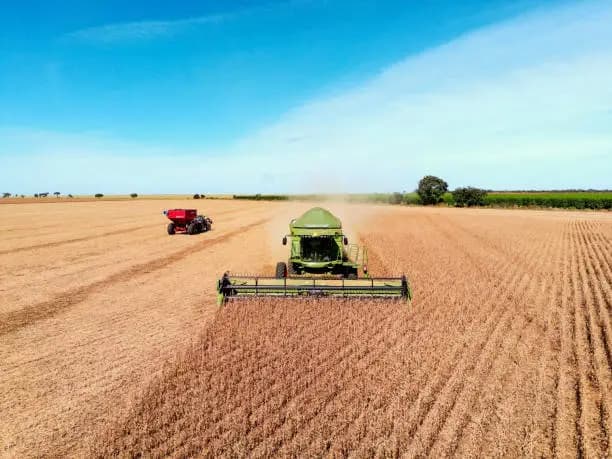
KEC Agritech delivers end-to-end CBG solutions including PMC, EPC, CBG Parks, feedstock planning, regulatory approvals, and OMC offtake support.
The focus is on building future-ready energy assets, not just plants.
Farmers at the Center of the CBG Economy
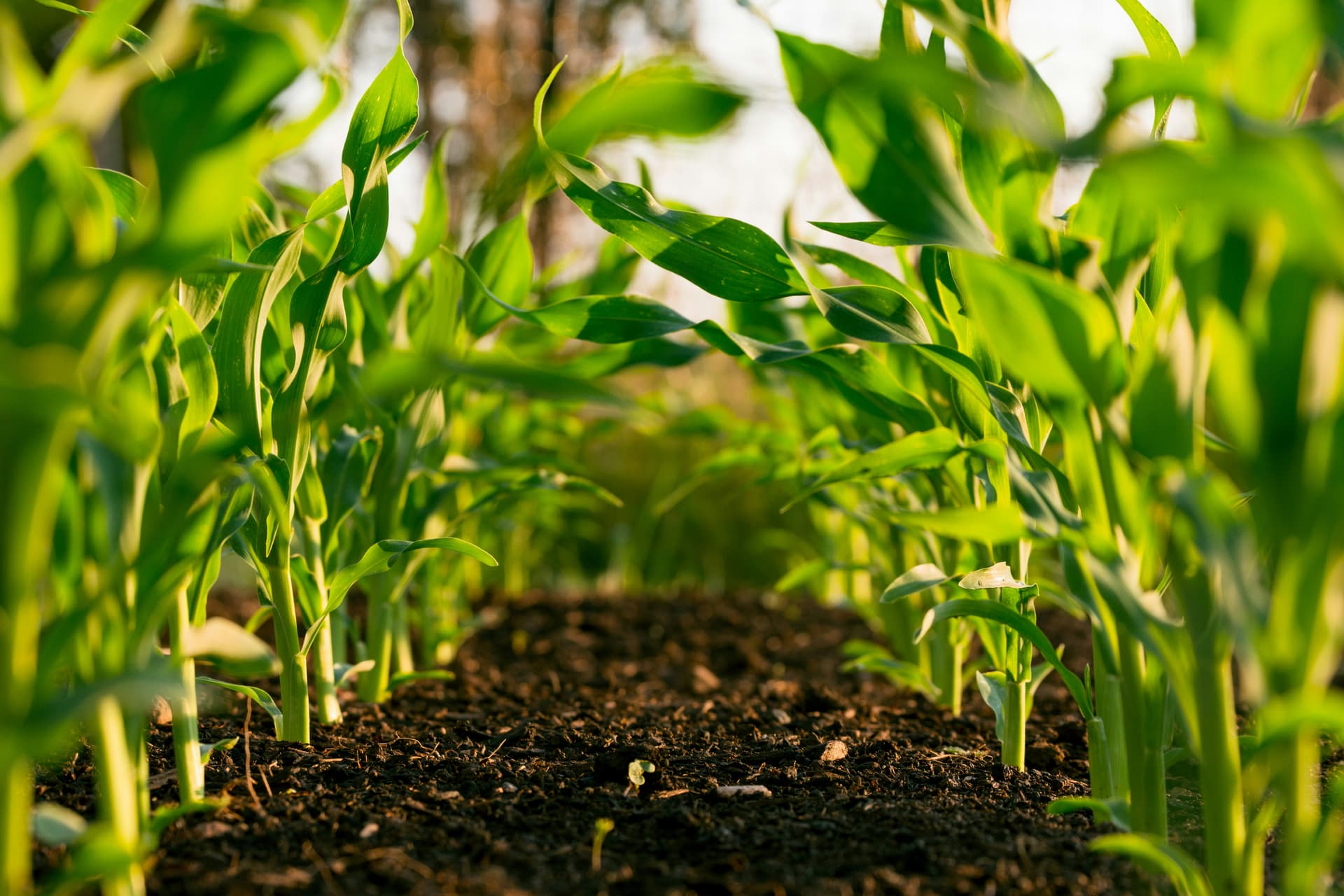
Farmers earn from biomass supply, Napier grass contracts, organic fertilizer access, and long-term price assurance.
CBG Parks create regional farmer ecosystems supporting clean energy and stable rural incomes.
Environmental Impact and Investor Momentum
Each CBG plant cuts emissions, prevents stubble burning, improves soil health, and supports India's net-zero goals.
Early investors benefit from strong policy tailwinds, limited supply, and higher long-term margins.
Share Article
About Author
KEC Bio-Fuel Team
Expert in renewable energy and sustainable agriculture
Article Stats
Related Articles
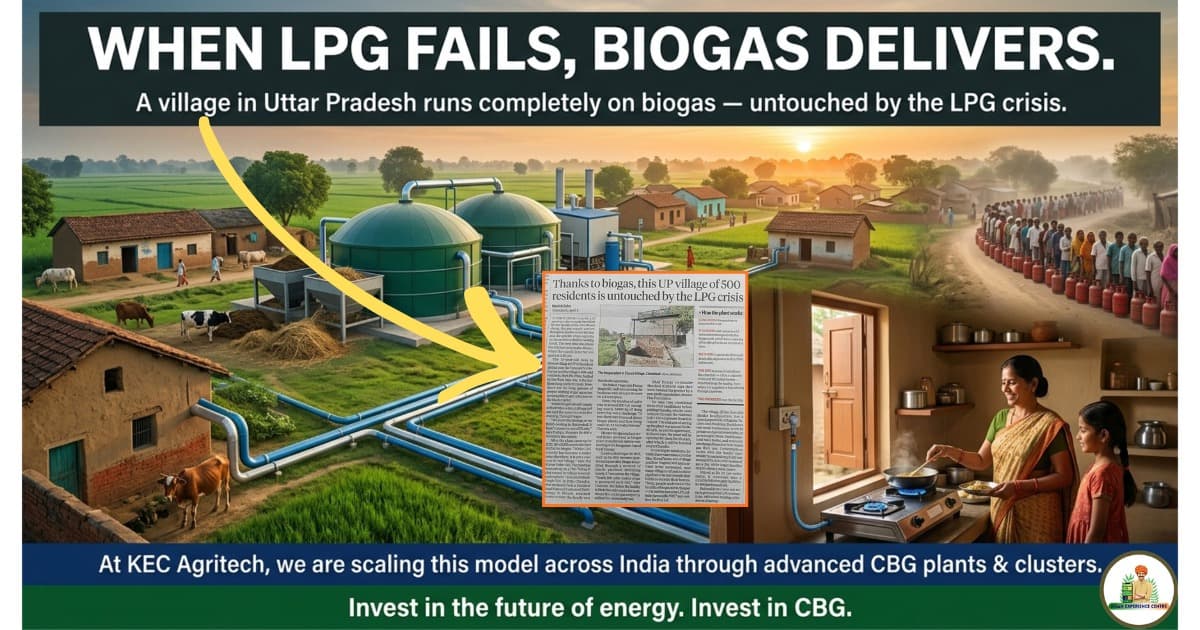
From LPG Crisis to Energy Independence — Why CBG is India’s Most Practical Solution
Recurring LPG shortages, rising prices, and import dependency are pushing India toward decentralized energy solutions. Compressed Biogas (CBG) is emerging as the most practical and scalable path to energy independence.
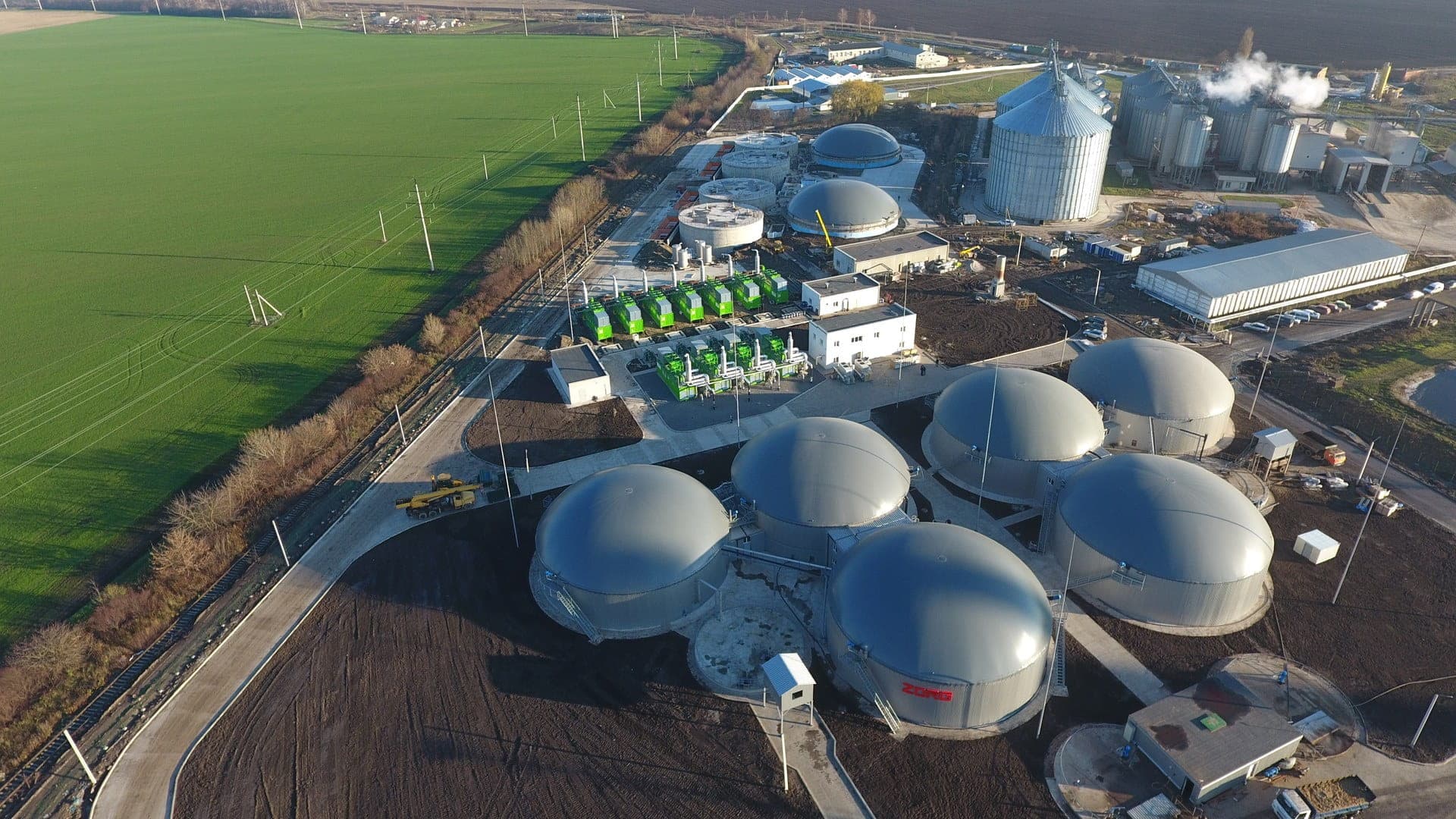
In CBG, 'Sasta' Is Not Smart — 'Sabse Achha' Is Sustainable
Why quality matters more than initial cost in CBG plant investments. Discover why smart investors focus on 15-year performance over short-term savings, and why locking your project before December 31st, 2025 is a strategic advantage.

This Dhanteras: Invest in the Future – Not Just in Gold!
How CBG and KEC Agritech are powering India's energy revolution while turning agricultural waste into wealth. Discover how this Dhanteras, investing in Compressed Biogas (CBG) — India's new 'Green Gold' — can create sustainable income, empower farmers, and fuel the nation's clean energy future.